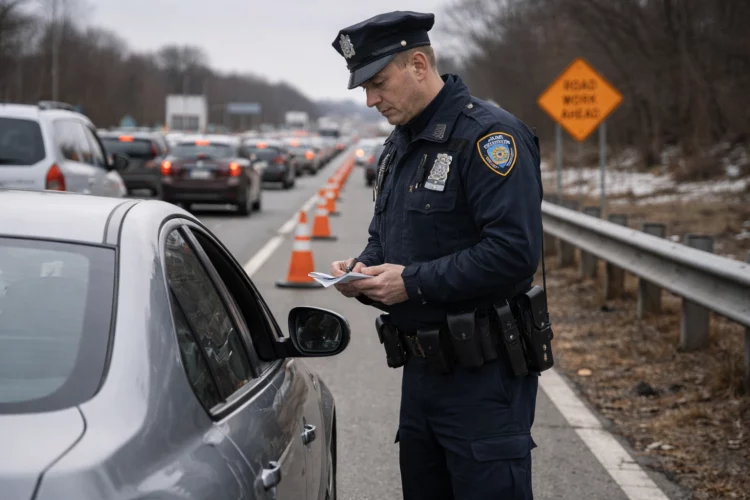
Drivers across New York are entering the final days before a sweeping set of traffic law changes takes effect. Beginning February 16, 2026, a revamped point system and stricter speed enforcement rules will significantly raise the stakes for even minor mistakes behind the wheel.
Under the new framework, drivers can face fines as high as $450 and up to 11 points on their license for certain violations. The changes are designed to crack down on repeat and high-risk behavior, but they also mean that everyday drivers will need to be far more mindful of speed limits, construction zones, and other common road hazards.
What Is Changing Under the New Speed and Point Laws
The core of the update is a reworked point system that assigns higher penalties to violations the state considers especially dangerous.
Lower Threshold for License Suspension
Until now, New York drivers faced possible license suspension after accumulating 11 points within an 18-month period. Under the new rules, suspension can occur with just 10 points over a 24-month period.
That shift may sound subtle, but it effectively widens the window during which violations can stack up while lowering the total points needed to lose driving privileges.
Violations Will Stay on Your Record Longer
Another major change is how long point violations remain active. Convictions will now follow drivers for an extended period, increasing the likelihood that multiple infractions overlap and trigger suspension or higher insurance costs.
Legal experts warn that this long tail effect could impact drivers well beyond the initial fine, especially when insurers review driving histories.
Why Speeding Is Under a Sharper Microscope
Speed enforcement is a central focus of the updated laws, particularly in areas where risk to others is highest.
Construction Zones Are a Priority
Speeding in construction zones will now carry an automatic eight points on a driver’s license, regardless of how far over the limit the vehicle was traveling. Even one or two miles per hour above the posted speed can result in a serious penalty.
Officials say the goal is to protect road workers and reduce crashes in areas where lanes shift and visibility is reduced.
Minor Speeding Can Have Major Consequences
While general speeding point values remain unchanged, the cumulative impact is more severe under the new system. A couple of small infractions that’s spread out over time can now contribute to suspension more easily than before.
The Violations That Now Carry the Harshest Penalties
Some offenses have been reclassified as high-impact violations with dramatic point increases.
Alcohol or Drug-Related Driving
Any alcohol- or drug-related conviction or incident while driving will now result in an immediate 11 points. This single event is enough to meet the suspension threshold on its own.
Unlicensed and Aggravated Operation
Aggravated unlicensed operation now carries 11 points as well. Facilitating aggravated unlicensed operation has also been added to the system with a five-point penalty.
School Bus and Infrastructure Violations
Passing a stopped school bus now results in eight points instead of five. Over-height vehicles striking a bridge, previously unscored, now also carry eight points and a substantial fine.
Leaving the scene of a personal injury crash has been increased from three points to five, reflecting the seriousness of hit-and-run incidents.
Fines and Financial Impact for Drivers
Several of the newly elevated violations now come with fines of up to $450, in addition to points.
Insurance Premiums Will Rise Faster
Drivers who reach seven points will be required to attend a driver improvement program and can expect higher insurance premiums. Because points last longer, insurers may view drivers as higher risk for extended periods.
The Hidden Cost of Points
Beyond fines and insurance, accumulated points can affect employment for drivers who rely on a clean record, including delivery workers, contractors, and commercial drivers.
Why the State Is Making These Changes Now
State officials say the updated rules are about safety, not punishment.
Targeting Repeat and High-Risk Drivers
According to the New York State Department of Motor Vehicles, the revised system is designed to have minimal impact on drivers who consistently follow traffic laws, while creating stronger deterrents for dangerous behavior.
The policy updates were originally outlined under Governor Kathy Hochul’s long-term safety and transportation agenda and were signed into law after legislative approval.
Public Reaction Has Been Largely Supportive
Local drivers interviewed by regional media have generally expressed support, arguing that stricter penalties encourage safer roads and discourage reckless habits.
Some drivers acknowledge that the new rules will require adjustment but believe the trade-off is worth it if it reduces crashes and injuries.
How Drivers Can Protect Their License Under the New Rules
With enforcement tightening, defensive driving habits matter more than ever.
Pay Extra Attention in High-Risk Areas
Construction zones, school bus routes, and unfamiliar roads are now especially risky. Slowing down even slightly below the posted limit can help avoid costly mistakes.
Monitor Your Driving Record
Keeping track of points and addressing citations promptly can prevent surprises. A single overlooked violation can now have outsized consequences.
Avoid Complacency With Small Infractions
What once felt like a minor ticket can now contribute meaningfully toward suspension. Treat every stop and citation as significant.
The Bottom Line for Drivers Ahead of February 16
Starting next week, New York’s roads will operate under a tougher enforcement regime. The combination of higher point values, longer retention periods, and lower suspension thresholds means drivers have less margin for error than before.
For those who follow the rules, daily driving may feel unchanged. For those who speed through construction zones, ignore school buses, or take risks behind the wheel, the consequences will arrive faster and hit harder.
As February 16 approaches, the message from state officials is clear: slow down, pay attention, and drive like every mile per hour counts, because under the new rules, it truly does.