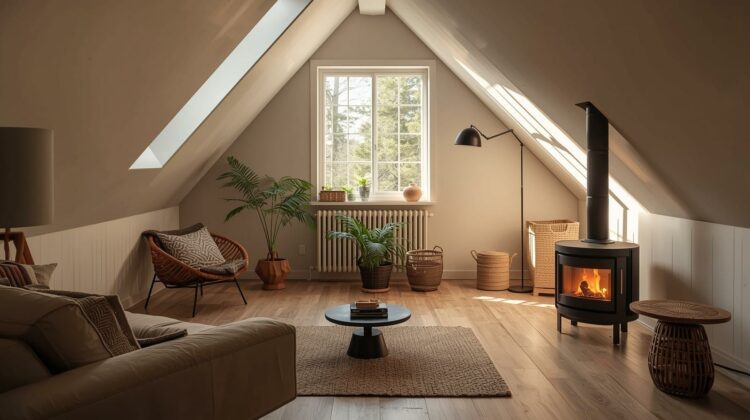
Walking into Helsinki in January is a shock to the senses. The cold hits instantly—your eyelashes might freeze, your breath turns thick and white, and you wonder how anyone survives the dark, freezing months. Yet, when you step into a typical Finnish home, the sensation shifts dramatically. There are no bulky radiators clanking in the corners, no electric heaters glowing ominously. Instead, the air is warm, gentle, and almost invisible. Your toes thaw, and you realize something remarkable: comfort doesn’t always look like what you expect.
If you’re used to the sight of cast-iron radiators or space heaters, the first time you encounter a Finnish home can feel like magic. But it’s not magic—it’s smart engineering, clever design, and a subtle philosophy about how heat should touch your body.
The Invisible Comfort of Finnish Homes
Step into a modern apartment in Helsinki, and the first thing you’ll notice is what isn’t there. There’s no large metal radiator stealing wall space, no portable heater humming in the corner. The floors are clean, the walls are open, and the living room feels quietly alive.
The secret is literally under your feet: low-temperature underfloor heating powered by heat pumps. These systems quietly distribute warmth throughout the home, often using technology that’s already familiar from appliances like fridges and air conditioners.
Take Sanna, a 34-year-old resident of a 70-square-meter Helsinki apartment. On a day when the thermometer reads –12°C outside, the indoor temperature is a comfortable 22°C. There are no roaring boilers, no visible radiators. Instead, warmth flows from a network of pipes beneath the floor, fed by a compact air-to-water heat pump tucked into a utility cabinet.
The difference is striking. Instead of hot air blasting your face and quickly vanishing, the heat envelops the room evenly. Every step feels warm, every corner comfortable, and the system hums quietly in the background.
How Underfloor Heating Works
Underfloor heating works on a surprisingly simple principle: instead of heating a single point intensely, it warms a large surface at a lower temperature. Floors might only reach 26–29°C—barely above body temperature—but because the warmth covers the entire space, it feels far more comfortable than conventional radiators.
The Role of the Heat Pump
A heat pump is essentially a reversible refrigerator or air conditioner. While a fridge removes heat from its interior and releases it outside, a heat pump can extract heat from the air, ground, or water and transfer it indoors.
In Finnish homes, heat pumps are often connected to underfloor systems. Rather than blowing warm air directly, the pump heats water circulating through thin pipes embedded in the floor. The result is quiet, efficient, and evenly distributed warmth that envelops the room without harsh hot spots or cold drafts.
Even in temperatures as low as –15°C, modern heat pumps can extract enough energy from the air to heat a home efficiently. Engineers in Finland describe it as “sipping” electricity while multiplying it into three or four times more heat—technology that’s grounded in familiar household principles rather than science fiction.
Why Radiators Are Rare in Finland
The reason Finnish homes often lack visible radiators isn’t just aesthetics. The philosophy is simple: heat the person, not the walls. Radiators deliver intense, localized heat, while underfloor systems create an environment that feels naturally warm.
Additional benefits include:
- Stable temperatures: Low, consistent heat prevents the room from cycling between hot and cold.
- Better air quality: Less blowing air means less dust circulation.
- Energy efficiency: Large-surface, low-temperature heating uses less energy than constantly firing up radiators.
In essence, warmth in Finland is designed to be almost invisible but profoundly felt.
Adapting Finnish Heating Philosophy at Home
You don’t need to rip up your floors or install an industrial heat pump to borrow a piece of the Finnish winter comfort. Small, strategic changes can make a huge difference.
Start With What You Already Have
If you own a split air conditioner or reversible heat pump, think of it as a potential winter companion rather than just a summer appliance. Use it as the primary heat source during the milder months. Keep radiators as backup for peak cold periods. The key is steady, moderate operation, rather than turning the heat on full blast and off repeatedly.
Adjust Airflow
Heat distribution matters more than raw temperature. Angle the indoor unit slightly upwards to let warm air circulate naturally and reach floor level. Avoid directing heat solely at head height, which can leave the rest of the room cold.
Layer for Comfort
Add rugs to key walking areas and thick curtains to trap heat in living spaces. These simple measures mimic the effect of underfloor heating and reduce heat loss through cold surfaces.
Reduce Drafts
Check for leaks around doors and windows. Even the most sophisticated heating system struggles if cold air constantly seeps in. Sealing drafts increases comfort and reduces energy consumption.
Small Habits, Big Comfort
Finnish heating emphasizes subtlety. Some key behavioral tweaks include:
- Maintaining a consistent thermostat instead of fluctuating temperatures.
- Using heat pumps quietly and steadily rather than cycling them aggressively.
- Prioritizing comfort at floor level rather than chasing high numbers on the wall thermostat.
Even minor changes can transform your experience. Think of stepping onto a cold floor in winter—Finns solved this simple problem by starting warmth from the feet up.
The Quiet Revolution of Heating
Finland’s approach to heating is more than a technical choice—it’s a philosophy. The goal isn’t just to reach a number on a thermostat; it’s to deliver comfort that feels natural, enveloping, and effortless.
This mindset is slowly spreading beyond the Nordic countries. In France, Canada, and parts of Europe, homeowners are moving away from visible radiators toward discreet systems that combine heat pumps, underfloor heating, and well-insulated construction. The emphasis is on how warmth feels rather than how it looks.
Why You’ll Want to Rethink Heating
The lessons from Finland are clear:
- Everyday technology can be powerful: Heat pumps use principles already in your fridge or air conditioner.
- Surface area matters: Low-temperature, large-surface heating is more comfortable than small, intense heat sources.
- Behavioral tweaks count: Simple adjustments to airflow, floor coverage, and thermostat settings can dramatically improve comfort.
You may not retrofit your home overnight, but you can start by trusting your reversible heat pump more, layering rugs, adjusting thermostats for steady operation, and focusing on human comfort rather than numbers.
The quiet revolution of heating isn’t about gadgets or firepower—it’s about smart design, subtle energy use, and a philosophy that warmth should wrap around you, not hit you in the face.
Key Takeaways
- Heat pumps are familiar technology, scaled up for efficient home heating.
- Underfloor heating spreads low-temperature warmth evenly, providing comfort with less energy.
- Simple behavioral and design changes can replicate the Finnish effect without major renovations.
- Comfort is about how heat is delivered, not how high the thermostat reads.
The next time you step into a cold home, remember: you don’t need visible radiators or roaring heaters to feel cozy. Sometimes the best warmth is the kind you hardly notice—until you realize your toes never left the comfort zone.